There are no products in your shopping cart.
Plant of the Week
Lobelia
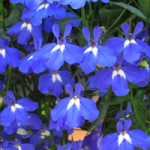
| Scientific name | Lobelia erinus |
| Common name | Lobelia |
| Type | Annuals |
| Variety | Annual |
| USDA Zone hardiness | 1 - 8b |
| Exposure | Full sun |
| Height | Under 1' |
| Spread | Under 1' |
A low growing perennial generally grown as an annual. Grown in full sun to shade, does better in the cooler weather and often goes out of bloom when it gets hot. Look for heat tolerant cultivars. Cut back after first bloom, fertilize and water to maintain flowering in the summer.
Recent Question from Gardeners
Question
Hydrangea
I purchased a 2 gallon hydranga plant from Loews. It was outside in the pot and I believe it was hurt by frost. The buds turned black and are dry out. What can I do.
Answer
Sounds like there was definitely some frost damage hopefully the root system was not damaged. Hydrangea can handle heavy pruning I recommend cutting it all the way back to about an inch above the soil line. Assuming the roots are healthy the plant should recover nicely. Apply fertilizer at the recommended rate to help the hydrangea recover.
WELCOME!
- Plant Life Online provides Gardeners a vast searchable index of Landscape Plants, Fruits & Vegetables. Gardening Questions? Ask our Horticulture Experts in the O&A section.
Recommeded Products

EcoForms Herb Garden Kit
$19.95Ecoforms Footed Bowl
$4.95
Allsop Pot Pads
$4.25

On Sale

Allsop Soji Original Lantern - Red
$15.95
Okatsune Pruners 7"
$32.95
Mini Herb Pail
$12.99